Customs Clearance and SONCAP Certification: What Importers Need to Know
A practical overview of the SONCAP process and customs documentation that keeps underwear and apparel shipments moving smoothly into Nigeria and beyond.
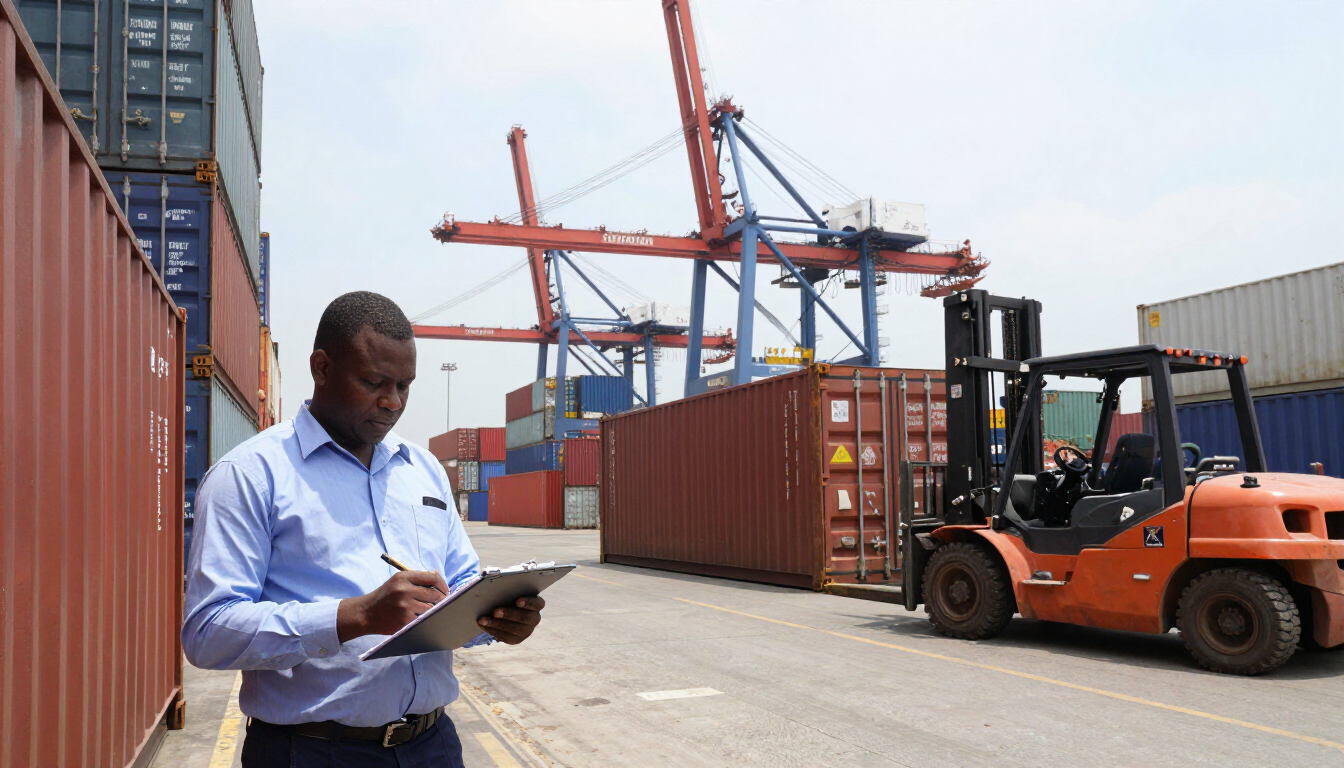
Clearing customs is often the single biggest source of delay for apparel importers entering African markets, and Nigeria's SONCAP (Standards Organisation of Nigeria Conformity Assessment Programme) requirement is a common point of confusion for first-time buyers.
SONCAP applies to a wide range of regulated products, and while textiles are not always subject to the same testing rigor as electronics, shipments are frequently held at port if the correct documentation is missing. The safest approach is to secure a Product Certificate (PC) before shipment and a SONCAP Certificate (SC) issued against that PC, both processed through an accredited conformity assessment body before the goods leave the country of origin.
Beyond SONCAP, a clean customs clearance depends on paperwork consistency: the commercial invoice, packing list, and bill of lading must all describe the goods identically — matching HS codes, quantities, and declared values. Even small mismatches (a packing list that says '500 dozen' while the invoice says '6,000 pieces') can trigger manual inspection and delay release by days.
Working with a supplier experienced in shipping to African ports means the factory already understands which documents customs brokers expect and prepares them proactively, rather than importers discovering a missing form after the container has already sailed. Ask your supplier directly whether they have prior SONCAP experience and can provide the required certificates alongside the shipment — this single question filters out a large share of unreliable exporters before you commit to an order.
Finally, budget for a local customs broker at the destination port. Their familiarity with current inspection patterns and fee schedules is worth far more than the small fee they charge, especially for importers placing their first few container orders.